 Business License
Industrial Roller: Definition, Types, Production & Selection Guide
What is an industrial roller?
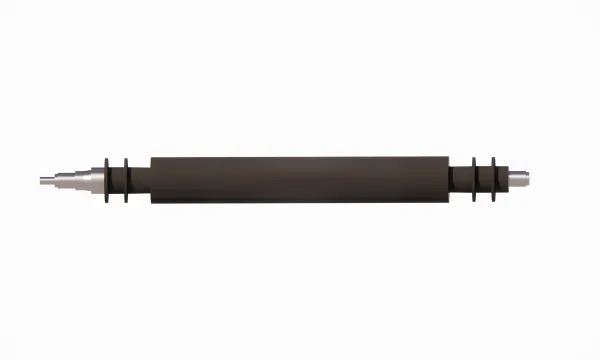
An industrial roller is a core component of industrial machinery, typically consisting of a metal core (steel or aluminum) wrapped in high-performance rubber or specialized materials. It operates through rotation to convey materials, apply pressure, transfer media (such as ink), or reduce friction. Widely utilized in printing, papermaking, textiles, packaging, and conveyor systems, industrial rollers must withstand temperature fluctuations, abrasion, and chemical exposure—imposing stringent requirements on material quality and manufacturing standards. As a critical part of modern production lines, the reliability of industrial rollers directly impacts operational efficiency and product quality.
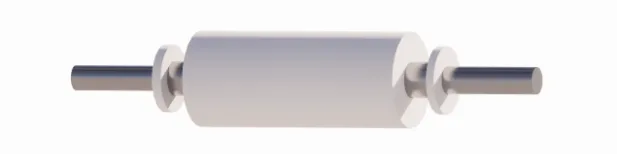
What is the role of industrial rollers?
Industrial rollers serve three core functions in industrial processes: material conveyance (ensuring the smooth and stable movement of substrates), surface processing (enabling coating, laminating, or printing operations), and shock absorption (reducing mechanical vibration to protect equipment and materials). Their surface materials (e.g., rubber, polyurethane) provide elasticity and grip, safeguarding fragile workpieces while maintaining consistent performance—making industrial rollers indispensable for high-precision and high-speed production.
Common types of industrial rollers
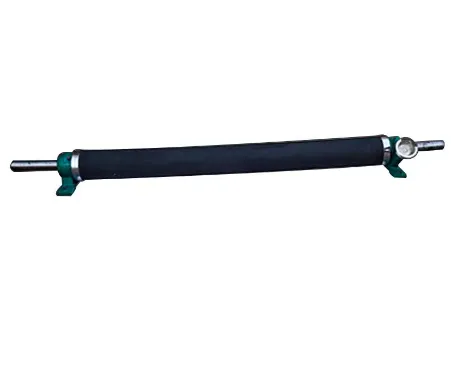
1. Printing Industrial Rollers: Constructed with nitrile rubber (NBR) or polyurethane (PU) surfaces, these rollers offer excellent ink transfer and wear resistance, perfectly suited for offset and flexographic printing machinery.
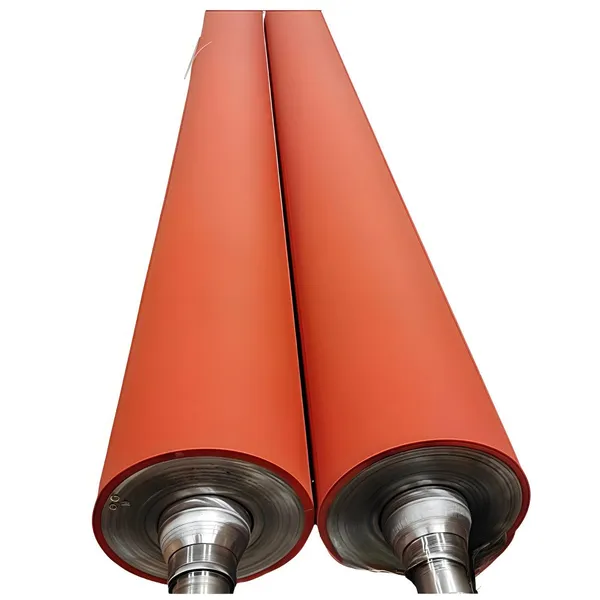
2. High-Temperature Industrial Rollers: Coated with silicone or fluoroelastomer (FKM), they withstand temperatures ranging from -60°C to 230°C, ideal for plastic film processing and high-heat manufacturing environments.
3. Conveyor Industrial Rollers: Crafted from ethylene propylene diene monomer (EPDM) or neoprene rubber (CR), they feature superior weather resistance and anti-slip properties, widely applied in logistics, mining, and assembly line conveyors.
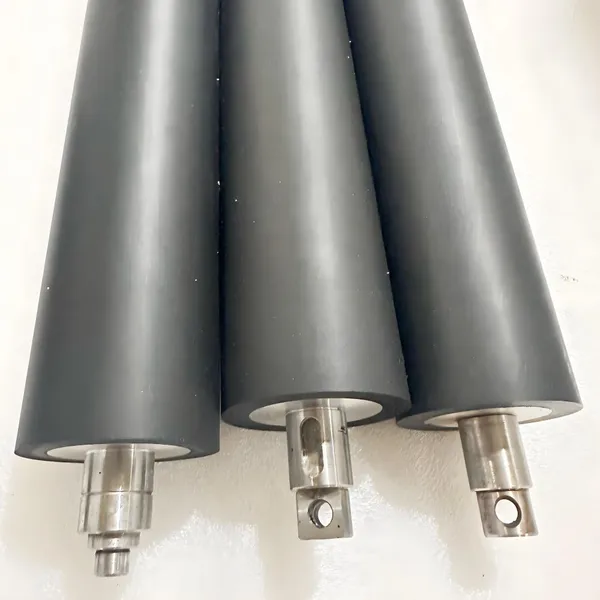
4. Abrasion-Resistant Industrial Rollers: Wrapped with polyurethane (PU) or nylon, these rollers boast high tear strength and wear resistance, designed for papermaking, textile, and heavy-duty material handling equipment.
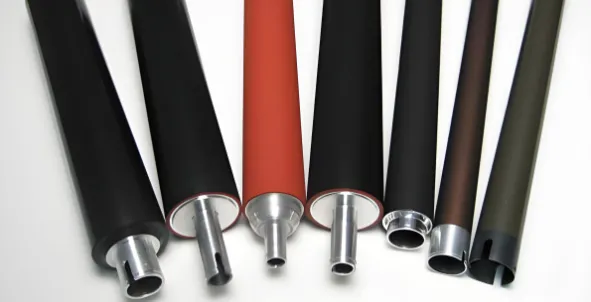
Production process of industrial rollers
1. Core Preparation: The metal core undergoes precision machining (turning, grinding) to ensure optimal cylindricity and dimensional accuracy, laying the foundation for stable operation.
2. Material Compounding: Customized surface materials (NBR, PU, silicone, etc.) are formulated with additives to enhance temperature resistance, chemical stability, and durability.
3. Coating & Vulcanization: The surface material is uniformly wrapped around the metal core, followed by high-temperature vulcanization (140–180°C) to strengthen adhesion between the core and surface, improving overall longevity.
4. Finishing & Inspection: The roller surface is ground to achieve the required smoothness (Ra ≤ 0.8μm), and strict quality checks—including hardness testing (Shore A 50–95) and dimensional verification—are conducted using professional instruments to ensure compliance with industrial standards.
Challenges for industrial roller manufacturers
Manufacturers face key challenges such as meeting customized demands across diverse industries, balancing product durability with cost-effectiveness, and adhering to environmental regulations (e.g., adopting low-VOC materials). Additionally, the rising demand for high-speed and high-precision production requires industrial roller manufacturers to continuously upgrade production processes and technical capabilities.
How to choose the right industrial roller manufacturer?
• Technical Capability: Verify if the manufacturer offers custom material compounding and core design tailored to specific application scenarios.
• Quality Assurance: Check for ISO certification and the ability to provide test reports (wear resistance, temperature resistance, dimensional accuracy).
• Industry Experience: Prioritize manufacturers with a proven track record and successful cases in target sectors (printing, papermaking, textiles, etc.).
• After-Sales Service: Ensure the provider offers installation guidance, maintenance support, and surface material replacement services.
Recently Posted
-
Precision Coating Rollers: Engineered for Flawless Surface Coating
January 8, 2026In industries where applying a uniform, thin layer of material is critical, the coating roller is not just a component—it's th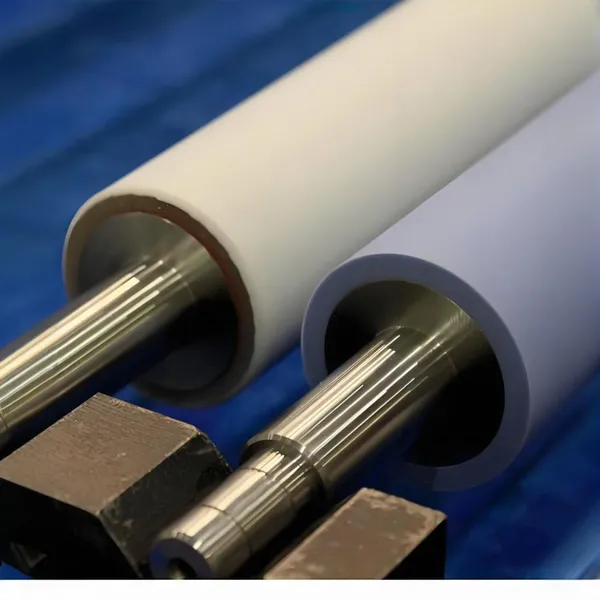 Read More
 -
Polyurethane Rollers: The Tough, Flexible Workhorse for Diverse Industries
January 7, 2026Polyurethane (PU) rollers have become a preferred choice across countless industrial applications due to their exceptional balance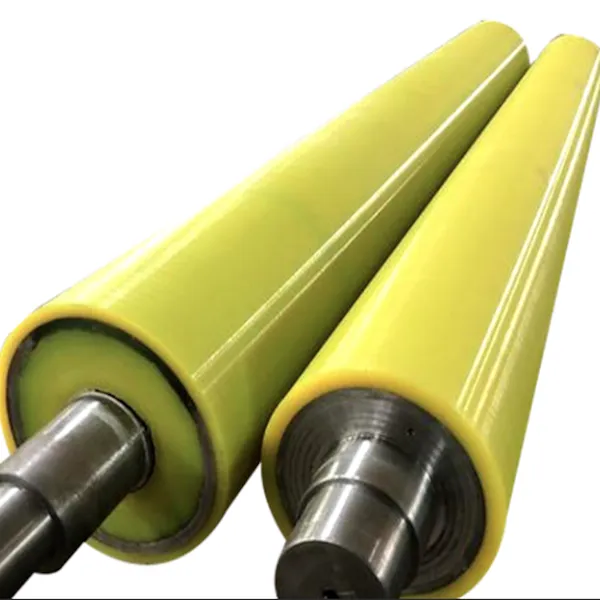 Read More
 -
Industrial Steel Rollers: The Foundation of Precision in High-Stress Applications
January 7, 2026When the application involves extreme pressure, high temperatures, or requires absolute dimensional rigidity, steel rollers are th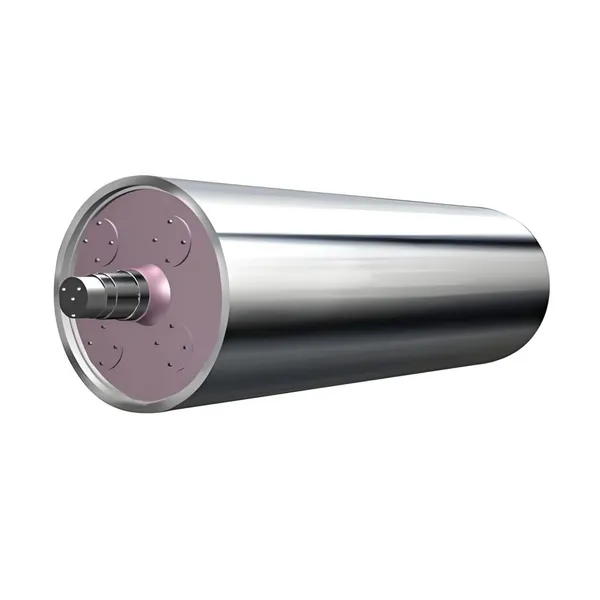 Read More
 -
Rubber Roller Core Material Selection Guide
January 6, 2026This guide is oriented by core working condition requirements, combines the characteristics of different roller core material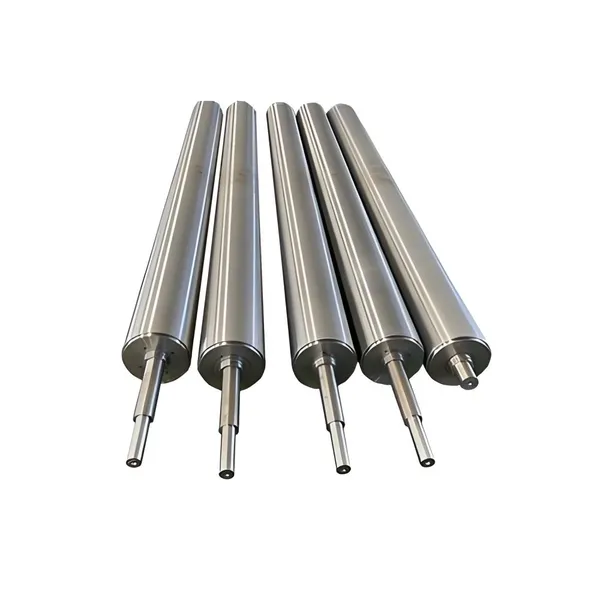 Read More

Contact Us

Recommended Products
-
 Durable Silicone Roller for Printing Packaging Film Extrusion Hot Transfer Industrial MachineryUS$ 100 - 1000MOQ: 1 Piece
 -
Heat Resistant ESD Safe FDA-compliant Non-stick RoHS Solid Liquid Silicone RollerUS$ 100 - 1000MOQ: 1 Piece
-
Wear Resistant Conveyor Nylon Rollers Roller for Wastewater Sludge Treatment EquipmentUS$ 1200 - 1600MOQ: 1 Piece
-
Durable Spiral Grooved Sander Roller With Drive Pulley for Woodworking Sanding MachineUS$ 1200 - 1600MOQ: 1 Piece
-
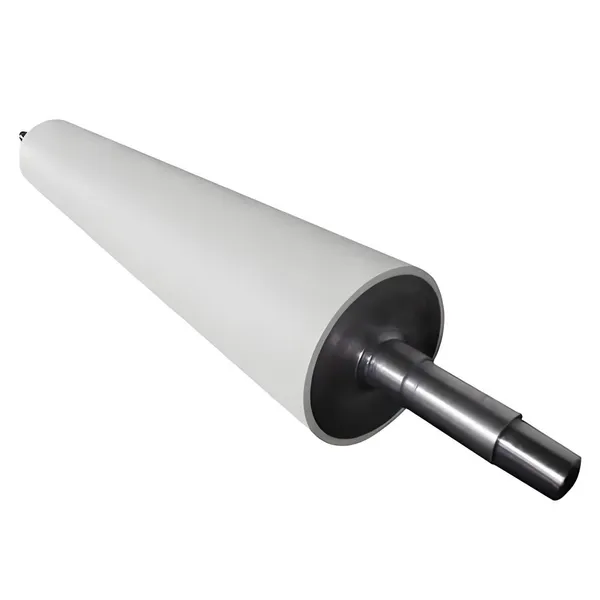
Heavy Duty High Wear Resistance Steel Pickling Lines PU Tension Roll RollerUS$ 100 - 1600MOQ: 1 Piece
-
AGV & RGV Precision Guidance Wheels - Drive, Steering & Tracking WheelsUS$ 65 - 70MOQ: 5 Units
-
Electric Warehouse Forklift Wheels & Pallet Truck Drive Wheels - Wear-Resistant, Quiet Polyurethane & Nylon WheelsUS$ 35 - 39MOQ: 5 Units
-
Mining Monorail Hoist Drive Wheels - Heavy-Duty Abrasion Resistant Polyurethane WheelsUS$ 90 - 100MOQ: 5 Units
-
Automated Vehicle Assembly Line Conveyor Wheels & Heavy-Duty PU Guide RollersUS$ 66 - 70MOQ: 5 Units
-
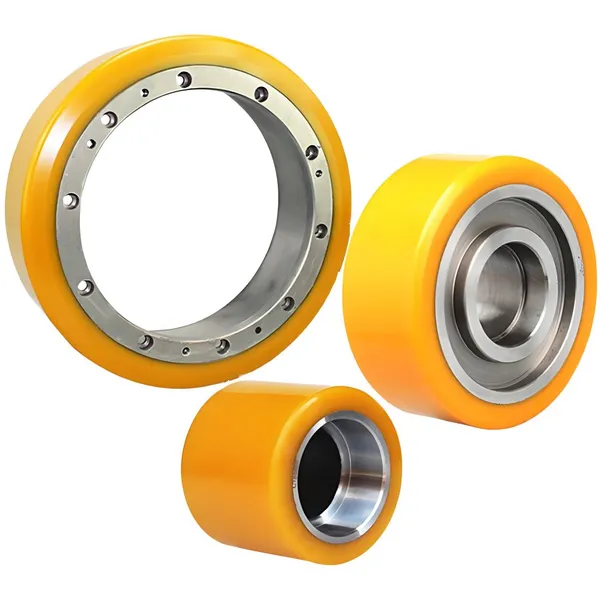
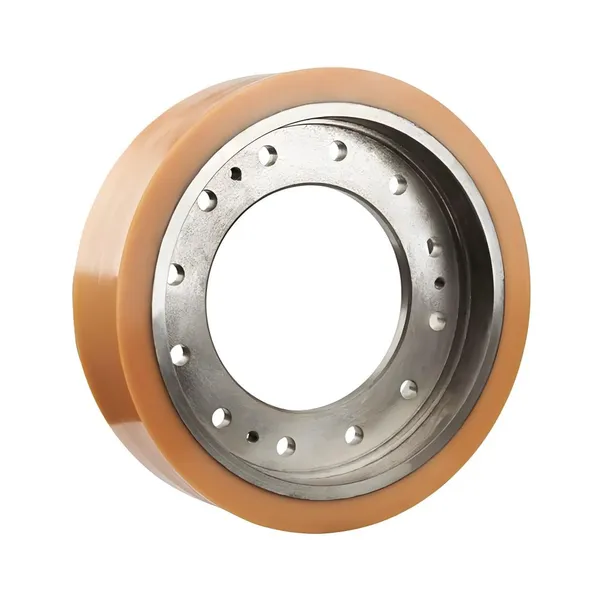
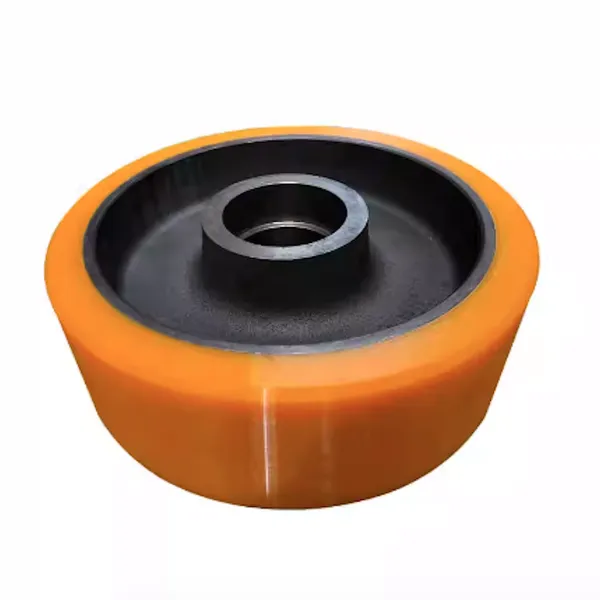
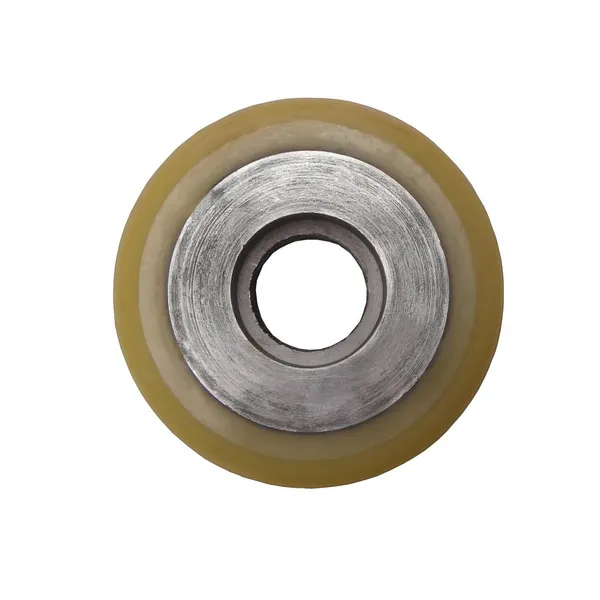
Revolving Door Wheels Manufacturer - Drive, Idler & Brake WheelsUS$ 20 - 30MOQ: 5 Units
-
Amusement Ride Polyurethane Wheels: Roller Coaster Rubber-Coated Wheels, Bumper Car Drive & Idler WheelsUS$ 40 - 50MOQ: 10 Units
-
Professional Custom Rubber Roller Manufacturer in China | OEM & ODM SolutionsUS$ 88 - 99MOQ: 1 Unit
-
Hot Foil Stamping Rubber Roller ManufacturerUS$ 660 - 700MOQ: 2 Units
-
Metal Decorating / Tin Printing Rubber Rollers ManufacturerUS$ 360 - 390MOQ: 2 Units
-
Belt Press & Filter Press Rollers ManufacturerUS$ 480 - 500MOQ: 2 Units
-
Leveling Roller Bending Roller Manufacturer Factory From ChinaUS$ 990 - 1000MOQ: 2 Units
-
Leather Processing Machine Rollers ManufacturerUS$ 800 - 1000MOQ: 2 Units
-
Textile Dyeing & Printing Rubber Rollers - China ManufacturerUS$ 800 - 1000MOQ: 2 Units
-
Inkjet Printer / Wide Format Plotter Rubber Rollers - China ManufacturerUS$ 200 - 300MOQ: 2 Units
-
Rice Huller Rubber Rollers ManufacturerUS$ 99 - 100MOQ: 2 Units